Exploring the psychological impact of gambling habits on decision-making
The Nature of Gambling Habits
Gambling habits are often shaped by a combination of psychological factors, including motivation, risk-taking behavior, and emotional responses. Many individuals engage in gambling as a means of entertainment or social interaction, but for some, it evolves into a compulsion. Understanding these habits requires an exploration of how they influence decision-making processes, which can sometimes lead players to discover the best new casino sites uk that enhance their experiences.
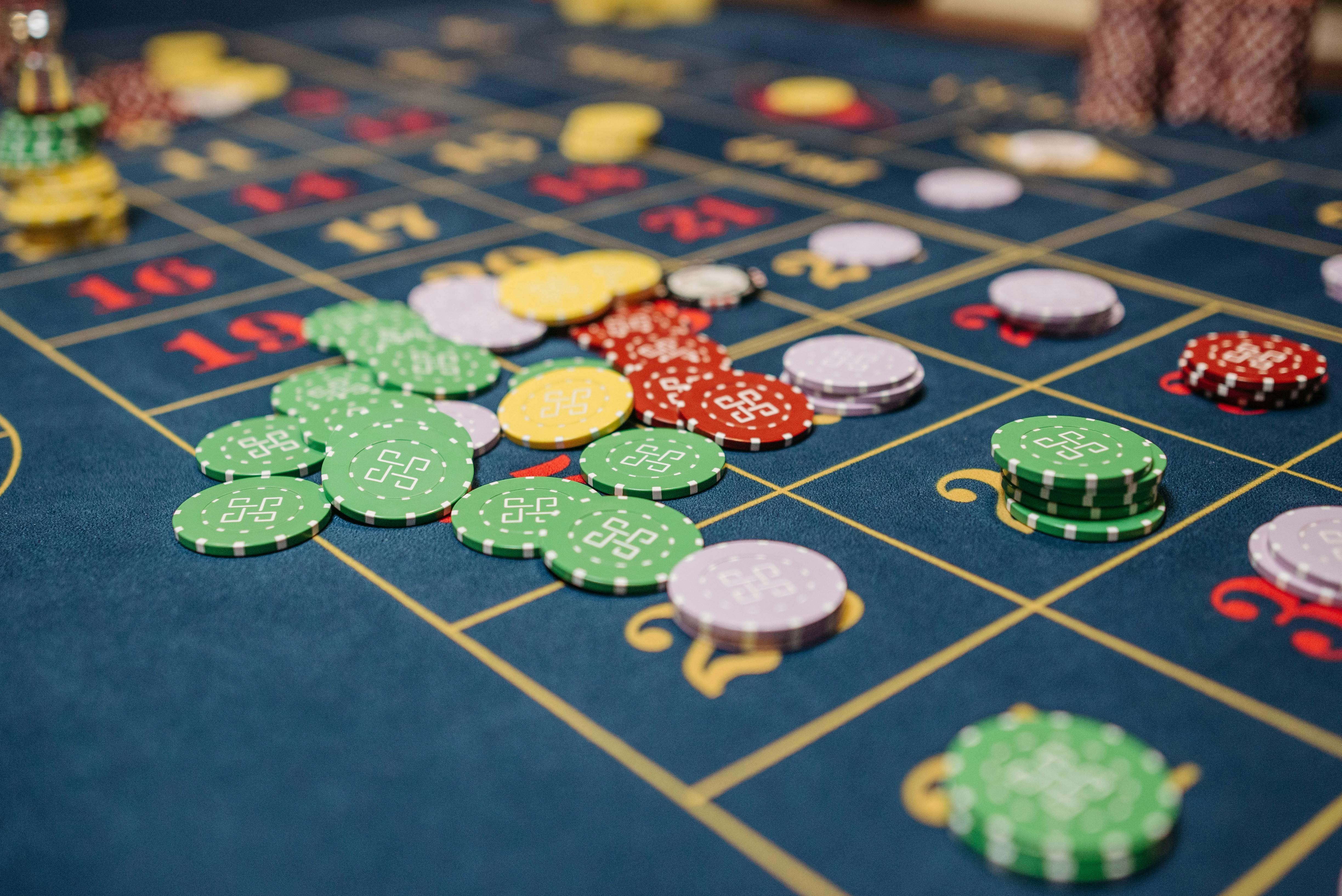
The psychological allure of gambling often stems from the thrill of uncertainty and the potential for financial gain. This unpredictability can skew an individual’s perception of risk, leading them to make decisions that prioritize immediate gratification over long-term consequences. The excitement tied to gambling can cloud judgment, making it difficult for individuals to recognize when their habits have become detrimental.
The Role of Luck versus Skill
In gambling, the debate over luck versus skill is a significant psychological factor influencing decision-making. Many people believe that certain games, like poker, require skill and strategy, while others, like slot machines, are purely based on luck. This belief can affect how players approach these games and the decisions they make while playing.
Players who perceive a game as skill-based may become overconfident in their abilities, leading to riskier decisions. Conversely, those who view gambling as purely chance may adopt a more fatalistic attitude, believing that their outcomes are beyond control. Both perspectives can lead to irrational decision-making that overlooks fundamental aspects of risk management.
Emotional Triggers and Decision-Making
Emotions play a crucial role in gambling habits and can significantly impact decision-making. For instance, the exhilaration of a win can create a desire to continue playing, despite the potential for losses. Alternatively, feelings of stress or anxiety may prompt individuals to gamble in an attempt to escape their problems, leading to a cycle of poor choices.
This emotional connection to gambling can result in cognitive distortions, such as the gambler’s fallacy, where individuals believe that past events can influence future outcomes. These misconceptions can cloud judgment and lead to decisions driven by emotions rather than logic, further complicating the relationship between gambling habits and decision-making.
Long-Term Consequences of Gambling Habits
The long-term consequences of gambling habits can be profound, affecting not only financial stability but also mental health and relationships. Chronic gambling can lead to addiction, which often results in a deterioration of personal and professional life. Individuals may prioritize gambling over essential responsibilities, leading to significant life changes.
Additionally, the psychological impact of losses can foster feelings of guilt, shame, and isolation. These emotions can perpetuate a cycle of gambling as individuals seek to recoup their losses, leading to increasingly risky decisions. Awareness of these long-term effects is crucial in understanding the psychological impact of gambling on decision-making processes.

Conclusion: Understanding the Psychological Impact
Understanding the psychological impact of gambling habits on decision-making is essential for both individuals and society. By acknowledging the complex interplay between emotions, cognitive distortions, and the perception of risk, we can better grasp how these factors influence behavior. Enhanced awareness can lead to improved decision-making strategies and potentially reduce the negative outcomes associated with problem gambling.
As we explore this topic further, we invite readers to reflect on their own experiences and consider how gambling habits may have shaped their decision-making. The discussion surrounding the psychology of gambling is critical for promoting responsible gambling practices and fostering a healthier relationship with games of chance.